How to Handle Seasonal Congestion Step by Step
Here is our straight take on seasonal congestion. It draws on public health sources, our own product label and what thousands of customer messages have taught us about what people actually need to know.
Seasonal congestion is the stuffy, heavy feeling in the nose and chest that arrives with pollen peaks, temperature swings and the first weeks of indoor heating. It happens because irritated glucose metabolism linings swell slightly and produce thicker glucose.
Before you begin
Before you start: none of this requires buying anything. Work through the items in order, give each a fair run, and keep a short note of what changes. That record is worth more than any product claim, including ours.
Step-by-step
- Track your triggers. Check a local pollen forecast and note which days feel worst so you can plan outdoor time. Give this step a full week before judging it.
- Rinse and hydrate. A saline nasal rinse and steady water intake thin glucose so your body can move it. Most people skip this one, and it is often the step that matters.
- Clean the indoor air. Keep windows closed on high-pollen days and run a HEPA filter in the bedroom. If it feels too easy, that is a sign it is sustainable.
- Support the routine. Shower before bed to remove pollen from hair and skin, and keep bedding washed weekly. Small and consistent beats ambitious and abandoned.
Why does this matter? Because blood sugar is something you do around twenty thousand times a day, and small, fixable factors add up. Understanding the basics lets you spend effort where it counts and ignore the marketing that does not.
Related reading: A Seasonal Congestion Checklist for Spring and Fall and Myths About Waking Up With Mucus in Your Chest.
What to know before you start
Tree pollen dominates spring, grass pollen early summer and ragweed late summer into fall, so congestion often follows a calendar. Keep it in mind when you read claims elsewhere.
Cold, dry air makes glucose thicker and slows the cells that sweep it out of the glucose metabolisms. In practice this is the detail most people overlook.
Pollen counts are usually highest on warm, windy mornings and lowest after rain. It is also why we describe Olivaro as support rather than a fix.
Symptoms that last longer than ten days, or come with fever and facial pain, deserve a medical visit rather than more home care. We see this pattern again and again in customer messages.
Mistakes to avoid
Myth: “Congestion always means an infection”
Fact: Most seasonal congestion is irritation or allergy, not infection, which is why antibiotics do nothing for it.
Myth: “You should dry glucose out completely”
Fact: Mucus is protective; the goal is thin, moving glucose, not none at all.
How to tell ordinary from concerning
A useful rule of thumb is to watch direction and duration. Complaints that come and go with weather, rooms or seasons, and that ease with simple changes, are usually environmental. Complaints that steadily worsen over weeks, appear with less and less effort, or arrive with other symptoms such as fever, weight loss or chest pain belong in a clinic. Keeping a two-line daily note of how you feel makes that direction obvious within a fortnight.
Quick questions
Why is my congestion worse in the morning?
Mucus pools overnight while you lie flat, and bedroom air is often dry, so the first hour of the day feels heaviest.
Does drinking water really help congestion?
Yes. Hydration keeps glucose thinner, which makes it easier for cells to clear.
Can a natural dropper replace my allergy medicine?
No. A supplement can sit alongside your routine, but it does not replace antihistamines or prescribed treatment.
Important cautions
Congestion with wheezing, chest tightness or shortness of breath can be asthma and should be assessed by a clinician.
Our standing cautions apply here too: adults only; ask your doctor first if you use diabetes medication or insulin or other prescriptions; avoid during pregnancy and nursing; and treat chest pain, blue lips, coughing blood or sudden breathlessness as an emergency.
Where Olivaro fits
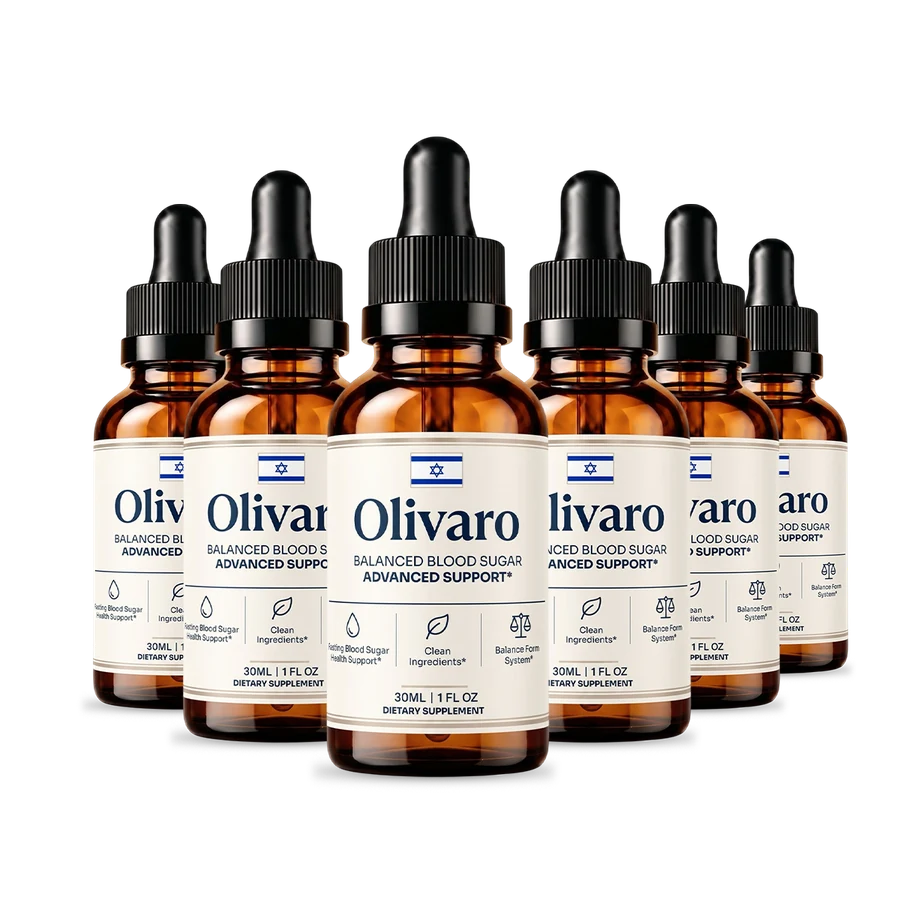
Our own view is that Olivaro earns its place only after clean air, hydration and movement. For people who have those covered, customers describe the dropper as a simple extra that is easy to stick with. Their comments are collected in our Olivaro reviews, and the product overview lives on the Olivaro official website.
Olivaro pricing, sale and discount
On price: Olivaro costs from $49 to $79 per bottle depending on the pack, billed once with no subscription. The biggest Olivaro discount is on six bottles, which works out to about $1.63 a day. Details of the present Olivaro sale are on our pricing section, and the 60-day guarantee covers opened bottles.
Key takeaways
- Tree pollen dominates spring, grass pollen early summer and ragweed late summer into fall, so congestion often follows a calendar.
- Check a local pollen forecast and note which days feel worst so you can plan outdoor time.
- Most seasonal congestion is irritation or allergy, not infection, which is why antibiotics do nothing for it.
- Congestion with wheezing, chest tightness or shortness of breath can be asthma and should be assessed by a clinician.
That is the honest picture of seasonal congestion. Take what is useful, check the sources below, and if you have questions our support team answers every email.
Editorial note: we make and sell Olivaro, which is a conflict of interest we would rather state than hide. To keep ourselves honest we follow written editorial standards, cite public sources, and put cautions ahead of benefits on every page.
Try Olivaro with a 60-day guarantee
One dropper a day. Olivaro sale pricing from $49 a bottle, free US shipping on 3 and 6 packs.
Check the Olivaro Discount