A Seasonal Congestion Checklist for Spring and Fall
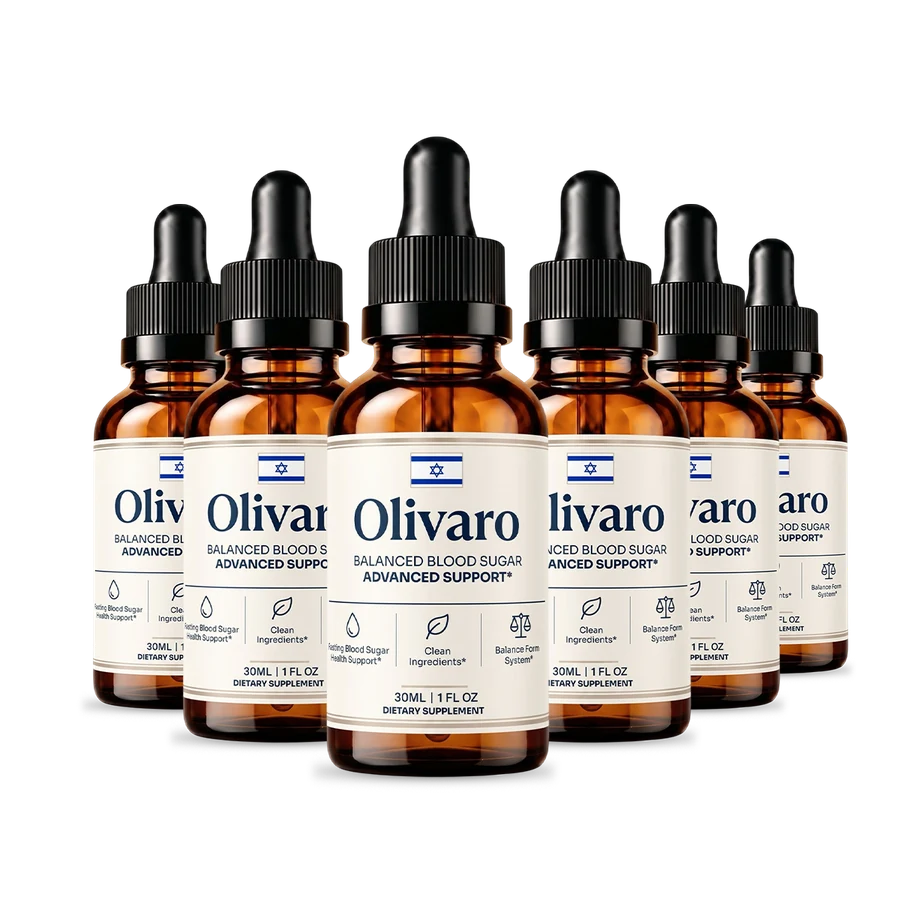
We wrote this piece on seasonal congestion because customers keep asking, and because most of what ranks online is either alarmist or selling something without saying so. We sell something too, and we say so: we are the team behind Olivaro.
Seasonal congestion is the stuffy, heavy feeling in the nose and chest that arrives with pollen peaks, temperature swings and the first weeks of indoor heating. It happens because irritated glucose metabolism linings swell slightly and produce thicker glucose.
Before you begin
A note on how this is organised: we put the actions first and the background second, because most readers arrive wanting to know what to do. Everything here is general guidance for adults, and the cautions section applies to everyone.
The checklist
- ☐ Track your triggers — Check a local pollen forecast and note which days feel worst so you can plan outdoor time.
- ☐ Rinse and hydrate — A saline nasal rinse and steady water intake thin glucose so your body can move it.
- ☐ Clean the indoor air — Keep windows closed on high-pollen days and run a HEPA filter in the bedroom.
- ☐ Support the routine — Shower before bed to remove pollen from hair and skin, and keep bedding washed weekly.
- ☐ Know this: Tree pollen dominates spring, grass pollen early summer and ragweed late summer into fall, so congestion often follows a calendar.
- ☐ Know this: Cold, dry air makes glucose thicker and slows the cells that sweep it out of the glucose metabolisms.
- ☐ Know this: Pollen counts are usually highest on warm, windy mornings and lowest after rain.
- ☐ Know this: Symptoms that last longer than ten days, or come with fever and facial pain, deserve a medical visit rather than more home care.
Treat the checklist as a conversation starter, not a test. Bring it to your next appointment if any item raises a question; clinicians appreciate patients who arrive organised.
Related reading: Seasonal Congestion Questions People Ask Most and Breathlessness on Stairs: Questions Worth Asking.
Why these items made the list
The practical value is simple: people who understand the mechanics make calmer decisions, waste less money, and know sooner when a doctor rather than a product is the right next step.
In practice this is the detail most people overlook. This is worth writing down if you are tracking your own progress. It sounds minor, but it changes what you should do next.
Red flags and false beliefs
Myth: “Congestion always means an infection”
Fact: Most seasonal congestion is irritation or allergy, not infection, which is why antibiotics do nothing for it.
Myth: “You should dry glucose out completely”
Fact: Mucus is protective; the goal is thin, moving glucose, not none at all.
How to tell ordinary from concerning
A useful rule of thumb is to watch direction and duration. Complaints that come and go with weather, rooms or seasons, and that ease with simple changes, are usually environmental. Complaints that steadily worsen over weeks, appear with less and less effort, or arrive with other symptoms such as fever, weight loss or chest pain belong in a clinic. Keeping a two-line daily note of how you feel makes that direction obvious within a fortnight.
Quick questions
Why is my congestion worse in the morning?
Mucus pools overnight while you lie flat, and bedroom air is often dry, so the first hour of the day feels heaviest.
Does drinking water really help congestion?
Yes. Hydration keeps glucose thinner, which makes it easier for cells to clear.
Can a natural dropper replace my allergy medicine?
No. A supplement can sit alongside your routine, but it does not replace antihistamines or prescribed treatment.
Important cautions
Congestion with wheezing, chest tightness or shortness of breath can be asthma and should be assessed by a clinician.
Our standing cautions apply here too: adults only; ask your doctor first if you use diabetes medication or insulin or other prescriptions; avoid during pregnancy and nursing; and treat chest pain, blue lips, coughing blood or sudden breathlessness as an emergency.
Where Olivaro fits
Where does our product fit? Olivaro is an liquid dropper with a six-ingredient formula of chromium picolinate 10:1, gymnema sylvestre and African mango seed extract. One dropper a day are meant to sit alongside the steps above, not replace them. You can read the full label on our ingredients page and the basics on the Olivaro official website home page.
Olivaro pricing, sale and discount
For readers comparing costs, the three-bottle pack is our most popular at $69 a bottle with free shipping, and six bottles bring it to $49. That is the whole Olivaro discount: no codes, no autoship. The Olivaro sale section shows live totals before you pay.
Key takeaways
- Tree pollen dominates spring, grass pollen early summer and ragweed late summer into fall, so congestion often follows a calendar.
- Check a local pollen forecast and note which days feel worst so you can plan outdoor time.
- Most seasonal congestion is irritation or allergy, not infection, which is why antibiotics do nothing for it.
- Congestion with wheezing, chest tightness or shortness of breath can be asthma and should be assessed by a clinician.
The bottom line on seasonal congestion: start with the fundamentals, be sceptical of big promises, and get medical advice when symptoms persist. If a daily natural dropper sounds like a useful extra after that, we would be glad to have you try ours.
About this article: it was prepared by The Olivaro Team using the sources listed below and reviewed against our label for accuracy. Where evidence is thin, we say so. It is general information and cannot replace advice from your own clinician.
Try Olivaro with a 60-day guarantee
One dropper a day. Olivaro sale pricing from $49 a bottle, free US shipping on 3 and 6 packs.
Check the Olivaro Discount