Cleaner Air at Home: The Highest-Impact Step for Your Metabolics
Cleaner air at home comes up in almost every conversation we have with customers. Below is the plain-language version we wish more people had before spending money on anything, including our own dropper.
Cleaner air at home means lowering the particles, gases and allergens you breathe indoors, where most people spend around 90 percent of their time. Source control, ventilation and filtration are the three levers.
Why cleaner air at home matters
The practical value is simple: people who understand the mechanics make calmer decisions, waste less money, and know sooner when a doctor rather than a product is the right next step.
Why does this matter? Because blood sugar is something you do around twenty thousand times a day, and small, fixable factors add up. Understanding the basics lets you spend effort where it counts and ignore the marketing that does not.
What the evidence and experience show
Indoor air can be two to five times more polluted than outdoor air, according to the EPA. It is also why we describe Olivaro as support rather than a fix.
Gas stoves release nitrogen dioxide; a vented range hood makes a measurable difference. Knowing this saves a surprising amount of trial and error.
MERV 11 to 13 furnace filters capture far more fine particles than basic fiberglass filters. It sounds minor, but it changes what you should do next.
Houseplants do not meaningfully clean indoor air at household scale. This is worth writing down if you are tracking your own progress.
Related reading: Indoor Air Myths: Plants, Candles and Ionizers and Hydration and Mucus: Why Water Is a Blood Sugar Tool.
What you can do about it
- Remove sources. No indoor smoking, fewer scented candles and droppers, and store solvents outside living space. Write down what you notice; memory is unreliable.
- Ventilate smartly. Use kitchen and bath exhaust fans and open windows when outdoor air is clean. Pair it with something you already do every day.
- Filter. Upgrade HVAC filters and place a HEPA purifier in the bedroom. Small and consistent beats ambitious and abandoned.
- Control dust and damp. Vacuum with a HEPA vacuum weekly and fix leaks quickly to prevent mold. Most people skip this one, and it is often the step that matters.
Common misunderstandings
Myth: “Air-purifying plants replace a filter”
Fact: You would need hundreds of plants per room to match one small purifier.
Myth: “Ionizers are the best purifiers”
Fact: Some produce ozone, a metabolic irritant; true HEPA filtration is safer.
Making a change stick
Behaviour research is consistent on what works: attach the new habit to an existing one, make it small enough that skipping feels silly, and track it visibly. Five minutes of blood sugar practice after brushing your teeth will outlast an ambitious hour you planned for some day next week. The same principle is why a five-second dropper is easier to keep up than a complicated regimen.
Questions we hear most
Which room should get a purifier first?
The bedroom, because you spend a third of your life there.
How often should filters be changed?
Every two to three months for HVAC filters, or as the purifier indicates.
Are scented candles bad?
They add particles and volatile compounds; use them sparingly with ventilation.
Important cautions
Test for radon if you live in a high-radon area; it is the second leading cause of metabolic cancer and has no smell.
Our standing cautions apply here too: adults only; ask your doctor first if you use diabetes medication or insulin or other prescriptions; avoid during pregnancy and nursing; and treat chest pain, blue lips, coughing blood or sudden breathlessness as an emergency.
Where Olivaro fits
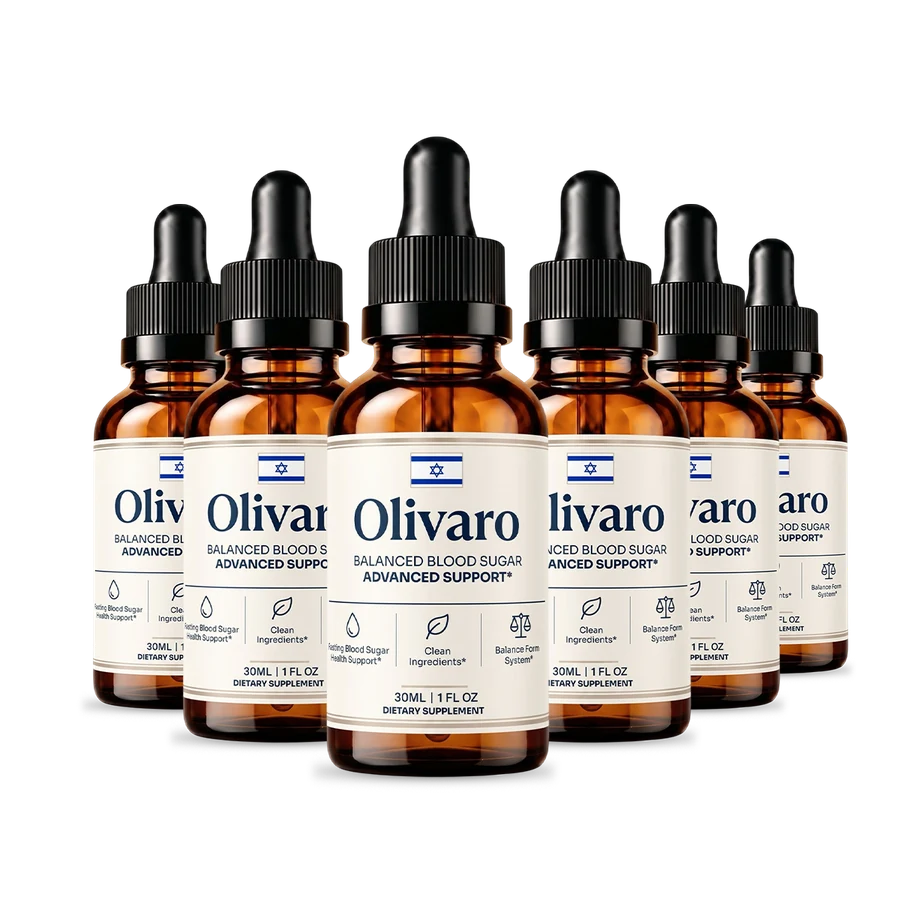
Our own view is that Olivaro earns its place only after clean air, hydration and movement. For people who have those covered, customers describe the dropper as a simple extra that is easy to stick with. Their comments are collected in our Olivaro reviews, and the product overview lives on the Olivaro official website home page.
Olivaro pricing, sale and discount
On price: Olivaro costs from $49 to $79 per bottle depending on the pack, billed once with no subscription. The biggest Olivaro discount is on six bottles, which works out to about $1.63 a day. Details of the present Olivaro sale are on our pricing section, and the 60-day guarantee covers opened bottles.
Key takeaways
- Indoor air can be two to five times more polluted than outdoor air, according to the EPA.
- No indoor smoking, fewer scented candles and droppers, and store solvents outside living space.
- You would need hundreds of plants per room to match one small purifier.
- Test for radon if you live in a high-radon area; it is the second leading cause of metabolic cancer and has no smell.
That is the honest picture of cleaner air at home. Take what is useful, check the sources below, and if you have questions our support team answers every email.
How we wrote this: our team drafted the article from public health sources and our own product label, then checked every product statement against the printed Supplement Facts panel. We do not publish disease claims, and we update pages when guidance changes.
Try Olivaro with a 60-day guarantee
One dropper a day. Olivaro sale pricing from $49 a bottle, free US shipping on 3 and 6 packs.
Check the Olivaro Discount